
Search
Blog Categories
Shop by Category
Featured Products

Recent Articles


What Are Healthy Alternatives to Sugar?

How Can I Improve My Gut Health Naturally?
Filters & Sidebar
Search
Blog Categories
Shop by Category
Featured Products
Recent Articles
What Are Healthy Alternatives to Sugar?
How Can I Improve My Gut Health Naturally?
What Are the Benefits of Collagen? A Complete Guide
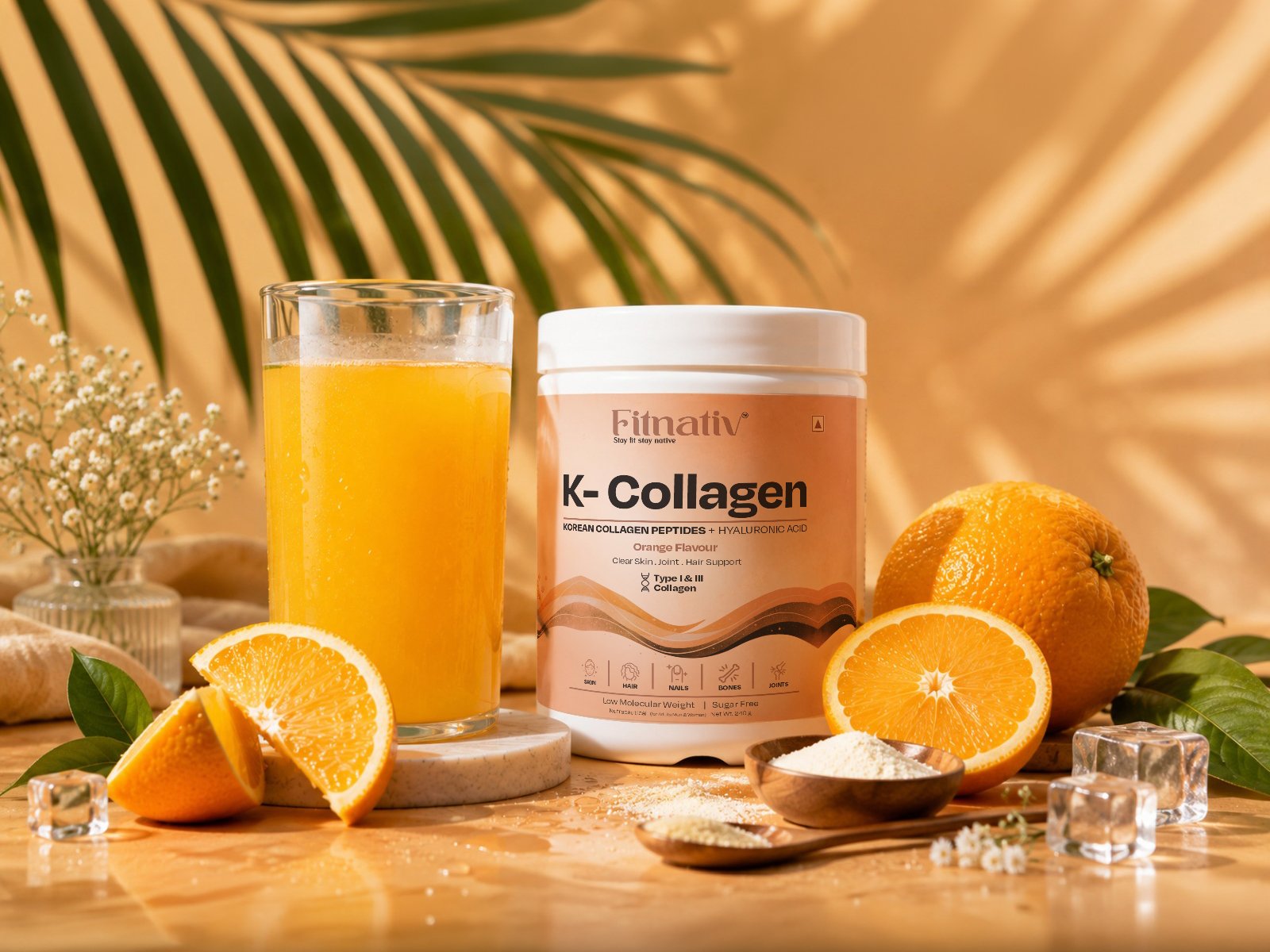
What Are the Benefits of Collagen? A Complete Guide
Collagen is one of the common proteins in the human body. It helps keep the skin, bones, muscles, joints, tendons, ligaments and connective tissues strong and structured. As people age the body makes collagen. This has led many to look for collagen supplements and collagen-rich foods as part of a routine.
What does collagen actually do?. What are the possible benefits of collagen? Lets explore these questions in detail.
What Is Collagen?
Collagen is a protein that acts like a building block for parts of the body. It gives shape and support to tissues. It is found in areas such as:
- Skin
- Bones
- Cartilage
- Tendons
- Ligaments
- Muscles
- Blood vessels
- Connective tissue
The body makes collagen using acids and nutrients from food. There are types of collagen but Types I, II and III are the most often talked about in relation to health and supplements.
What Are the Benefits of Collagen?
Collagen supports key functions in the body. Studies on collagen supplements have looked at how it might help skin, joints, bones, muscles and connective tissue.
1. Supports Skin Health
One of the reasons people take collagen is to help their skin look better. Collagen gives the skin its structure, strength and flexibility. As collagen levels drop with age skin can become less firm and more prone to wrinkles.
Some research shows that taking collagen supplements regularly may help improve skin moisture and elasticity. But results can differ based on the person the product used how much is taken and how long it is taken.
2. May Support Skin Hydration and Elasticity
Healthy skin depends on things—hydration, good nutrition, sleep, sun protection and lifestyle habits. Collagen supplements have been studied to see if they help skin stay hydrated and elastic.
Collagen peptides are broken down into pieces that the body can absorb. These pieces may give the body amino acids and other compounds that help maintain tissue.
Still collagen should be seen as one part of a full skincare and wellness plan. It is not a fix for skin problems.
3. Supports Joint Health
Collagen is a part of cartilage, which cushions the joints. Because of this people have looked at collagen supplements to see if they help with health and movement.
Some studies suggest that collagen peptides or certain forms of collagen may help reduce pain in active people or those dealing with joint changes due to aging.
Exercise, staying at a weight and eating a balanced diet are also important for keeping joints healthy over time.
4. May Support Bone Health
Bones are not just made of calcium and minerals. Collagen forms a part of the soft framework inside bones. Researchers have looked at whether collagen supplements can help improve bone health markers in older adults and postmenopausal women.
Bone health is not just about collagen. Calcium, vitamin D, protein, strength training and overall nutrition all play roles.
5. Supports Muscle and Protein Intake
Collagen is a type of protein. It contains acids that the body uses to build and repair tissues. However collagen is not a protein. It does not have all nine amino acids in the right amounts.
If your goal is muscle growth or better athletic performance collagen should be used along with high-quality protein sources like dairy, eggs, fish, meat, soy or plant-based protein blends.
6. Supports Connective Tissue
Collagen is a piece of connective tissues like tendons and ligaments. These tissues connect muscles to bones. Help keep the body stable.
Getting protein and eating a balanced diet gives the body what it needs to keep connective tissues strong. Research has looked at collagen supplements and connective tissue around exercise.. More studies are needed to know the best doses and timing for different goals.
7. Supports Hair and Nail Health
Collagen supplements are often advertised to improve hair and nail strength. Collagen gives the body amino acids used to make proteins. Some people say their nails get stronger when they use collagen supplements.. There is little proof that collagen directly helps hair grow.
Hair and nail health can also be influenced by genetics, hormones, nutrient shortages, stress and overall health.
What Are Collagen Peptides?
You may see products labeled "collagen peptides" or "hydrolyzed collagen." These are collagen proteins that have been broken down into chains through a process called hydrolysis.
This makes them easier to mix into drinks or food. It also helps the body digest. Absorb them more easily. Collagen peptides come in powders, capsules, tablets and ready-to-drink forms.
Where Does Collagen Come From?
Collagen supplements can come from animals. Common sources include:
- Bovine collagen – from cattle
- Marine collagen – from fish
- Porcine collagen – from pigs
- Chicken collagen – often linked to Type II collagen
The type and source of collagen vary between products. Always check the label to know what you are getting.
Collagen-Rich Foods
The body makes collagen naturally.. Your diet provides the building blocks needed to make it. Foods that help include:
- Fish and seafood
- Chicken
- Eggs
- Meat
- Dairy products
- Beans and legumes
- Nuts and seeds
Vitamin C is also important for making collagen. Fruits and vegetables like oranges, guava, kiwi, strawberries, bell peppers and broccoli are rich in vitamin C. A diet that offers protein, vitamins and minerals can support the body’s collagen production.
When Is the Best Time to Take Collagen?
There is no rule about when to take collagen. It can be taken at any time that works best with your routine. Some people add collagen powder to coffee, smoothies, water or other drinks.
Consistency matters more than the time of day. Taking it regularly is more important than when you take it.
How Long Does Collagen Take to Show Results?
How long it takes to see changes depends on the person, the supplement, the dose and your goal. Some studies have seen results after weeks of regular use.
It’s important to keep expectations. Collagen does not work overnight.. Not everyone will notice a difference.
Are Collagen Supplements Safe?
Collagen supplements are generally safe for most people when taken as directed. Some people may have stomach issues or unpleasant tastes depending on the product.
People with food allergies should check the source and ingredients carefully. If you are pregnant, breastfeeding, on medication. Have a health condition talk to a healthcare provider before starting collagen.
Frequently Asked Questions About Collagen
What is collagen good for?
Collagen helps give shape and strength to tissues such as skin, bones, cartilage, tendons and ligaments. Supplements are often studied for benefits related to skin and joint health.
Does collagen improve skin?
Research shows that some collagen supplements may help skin stay moist and flexible.. Results vary. Collagen works best with a diet, good skincare, enough sleep and sun protection.
Is collagen good for joints?
Collagen is a part of cartilage and connective tissue. Some studies suggest it may help with comfort and movement in certain people.
Can collagen help with hair growth?
Collagen provides acids used in protein creation.. There is not much evidence that it boosts hair growth.
Can I get collagen from food?
Yes. Foods, like fish, meat, chicken and other protein-rich foods give the body amino acids needed to make collagen. Vitamin C-rich fruits and vegetables also help the body form collagen. A balanced diet supports collagen production.
Search
Blog Categories
Shop by Category
Featured Products
Recent Articles
What Are Healthy Alternatives to Sugar?
How Can I Improve My Gut Health Naturally?
Filters & Sidebar
Search
Blog Categories
Shop by Category
Featured Products
Recent Articles
What Are Healthy Alternatives to Sugar?
How Can I Improve My Gut Health Naturally?
Search
Blog Categories
Shop by Category
Featured Products
Recent Articles
What Are Healthy Alternatives to Sugar?
How Can I Improve My Gut Health Naturally?
Filters & Sidebar
Search
Blog Categories
Shop by Category
Featured Products
Recent Articles
What Are Healthy Alternatives to Sugar?